|
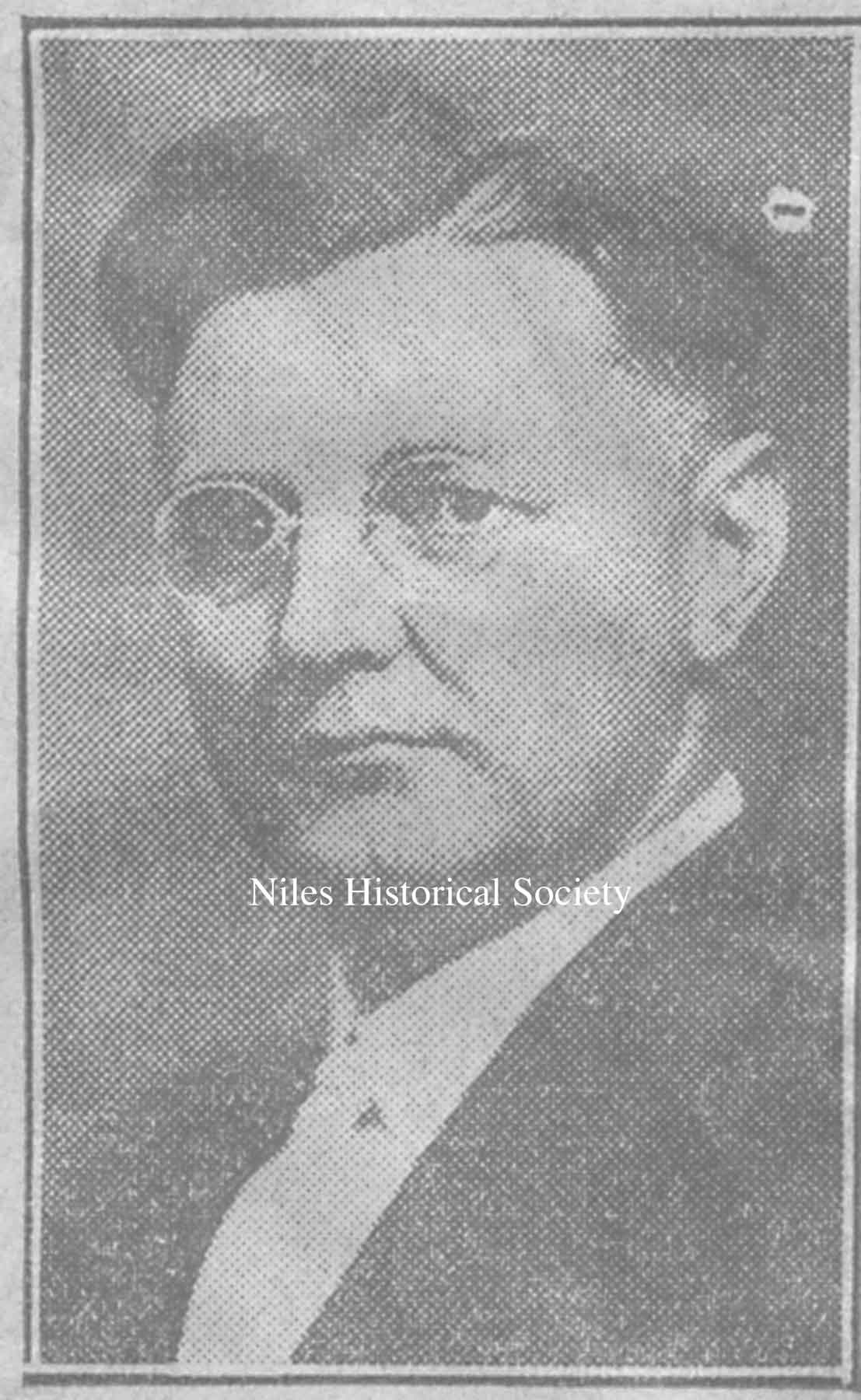
The Influence of Harvey Kistler. Harvey Kistler was born in Lordstown in 1885 to a family with a long history of dedicated service to its country. The first Kistler in America, John George Kistler, of German and Swiss ancestry, arrived in the New World in 1737. He fought in the French and Indian War, and each of his five sons fought in the American Revolution. Harvey Kistler also had a grandfather six generations back who, as a delegate from Pennsylvania, voted in 1859 to seat Abraham Lincoln as the presidential candidate for the Republican Party. At the turn of the century, Harvey Kistler and his wife moved to Niles, where they lived at 596 West Park Avenue. By the time he had reached his late thirties, Kistler had gained the respect of many community leaders. As a result, he became a candidate for Mayor of Niles and defeated Charles Crow in November of 1923 by 450 votes. Aside from the Ku Klux Klan riot, Kistler served without blemish as Niles’ chief executive for two terms. Although Kistler left office with little fanfare,
it must be stated that he had accomplished some outstanding feats
before he stepped down as mayor: his administration had obtained
the options for the land on which Meander Reservoir is located;
Kistler had also helped to arrange for Niles to link up with Youngstown
to form the present Mahoning Valley Sanitary District which manages
Meander Reservoir; the present city building in which the mayor’s
office is located was constructed largely with funds obtained
from the fines Kistler had imposed in his court; finally, part
of the initial groundwork for construction of the viaduct (completed
in 1933) which spans the Mahoning River on Main Street was laid
during Kistler’s years in office. |
| |
|
Upon leaving office, Kistler went back to his old night-position on the railroad as a telegrapher. He also purchased the Taylor Insurance Company and sold insurance during the day. Kistler left the railroad and went into the construction business with E.F. Cline in 1932. During the Depression years, he and Cline built the old Lordstown High School and the building in which Reisman’s Furniture Store was located on Main and State Streets. After leaving politics, Kistler became even more active in civic affairs and remained so for the rest of his life. Before he died at the age of 64 in 1950, Kistler had served on a committee which had attempted to build a hospital in Niles. He had also been active in bringing the YMCA to Niles and he had played an active role in establishing the Chamber of Commerce in the city. |
|
| |
|
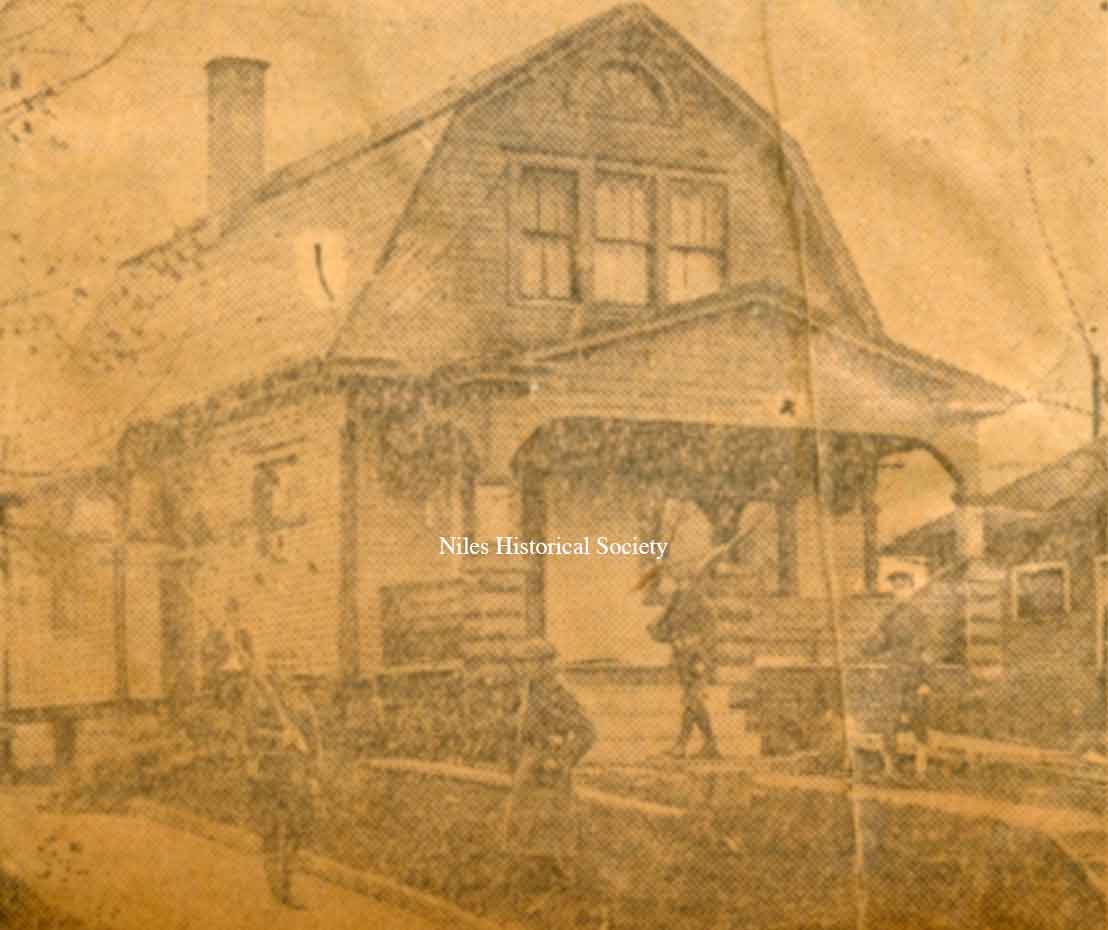
Soldiers guarding the Harvey Kistler home. |
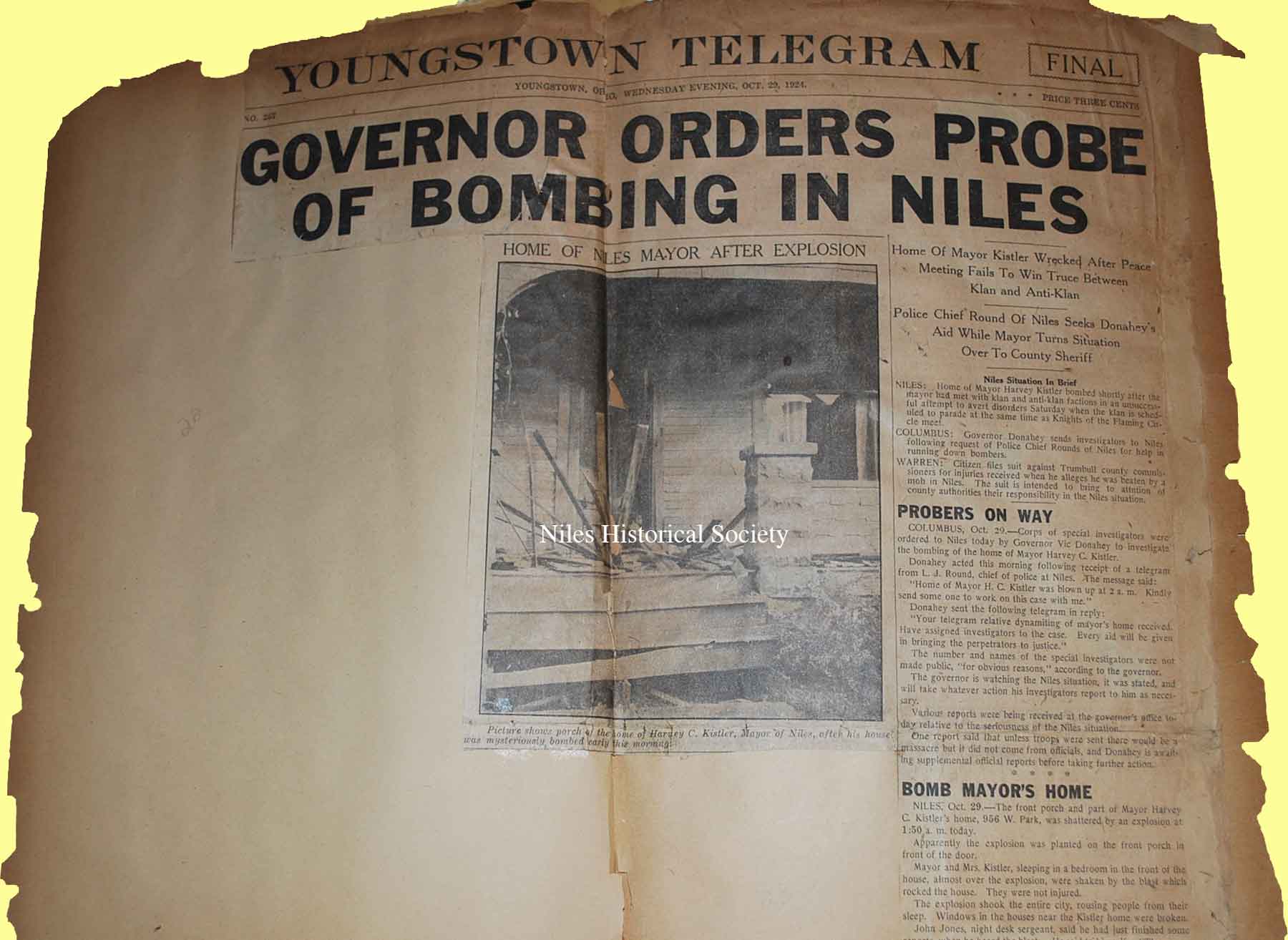
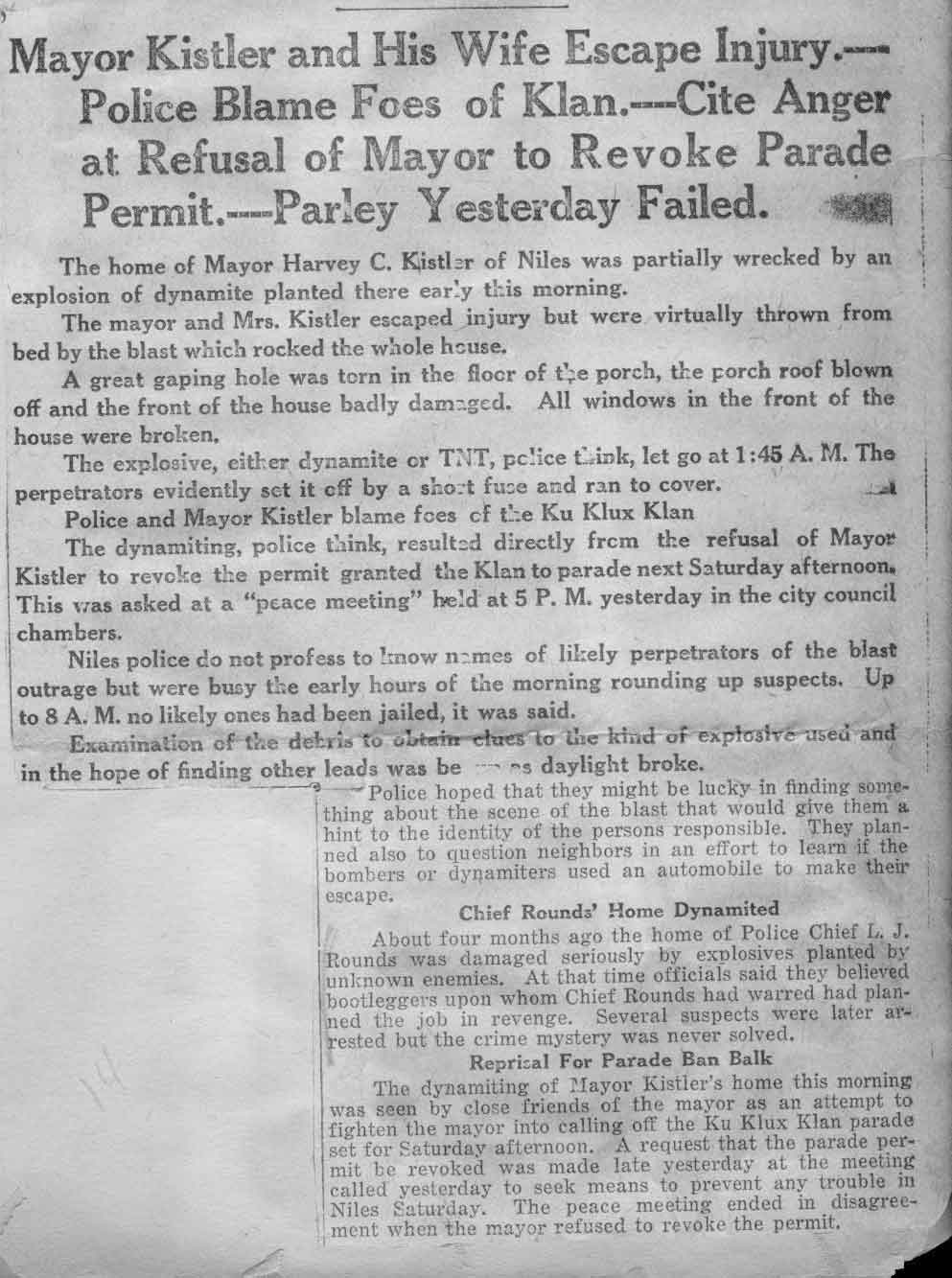
Kistler’s controversial handling of the Ku Klux Klan situation in 1924 therefore, was far outweighed by his later performance as Mayor and by the outstanding contribution he had made of himself as a civic leader in Niles during the remaining years of his life. Harvey Kistler believed that the KKK had the
legal right to receive a permit to march in a Niles’ parade.
The Irish–Italian community attacked the parade in May and
June. A truce was brokered with concessions from both sides, however
this truce was short–lived. The largest confrontation occurred at the intersection of North Main Street and West Federal Avenue when the Italian-Irish group prevented the KKK from crossing the Erie Railroad tracks and marching into downtown Niles. A limited Civil Martial Law was put in place when the Ohio National Guard arrived and dispersed both sides. Steve Papalas excerpts Harvey Kistler Interview Chapter Four |
| |
|
|
|
CLASHES IN
NILES There were a series of increasingly violent clashes in 1923 and early in 1924. While there were a number of attempts by the Klan to have rallies and marches go through the center of Niles, they failed each time. Plans were made for a KKK parade November 1,
1924, that had about 25,000 people scheduled to attend. In the
days leading to the event, opponents of the KKK and former Trumbull
County Sheriff John “Brickey” Thomas tried to
convince the Niles Mayor, Democrat Harvey C. Kistler, whom the
KKK supported in his 1923 election victory, to rescind the permit
for the parade to avoid a violent confrontation.( Ed. note: Sheriff
John Thomas lost his re-election bid on the following Tuesday
being strongly opposed by the KKK voters). Each time members of the KKK tried to make their way through the city, they were met by violent protests by members of the anti–KKK group, Knights of the Flaming Circle, and residents. Some Klan members were described to have been turned away by a hail of machine gun fire. Others who arrived near the city’s border were pulled from their cars, beaten and sent on their way. The Ohio National Guard was eventually summoned
to calm the situation. Afterward, the KKK’s power diminished
in Niles and in northeast Ohio as the Irish-Italian community
began to elect officials friendlier to their cause. Click here to download a PDF about the Harvey Kistler Story. |
|
|
|
|
|
|